This Christmas, I asked readers for their Femignarly wish list – submit the topics you want covered and then present them all for a vote. The results are in:

I’m not going to lie – this topic is a challenge. Most gear has some utility, at least for someone. Especially in this economy, product development teams aren’t getting too wild. And you also don’t need me to tell you that wicking base layers or down jackets are generally good buys. So I’ve compiled a quick list of rants and raves. Let’s go!
Rants:
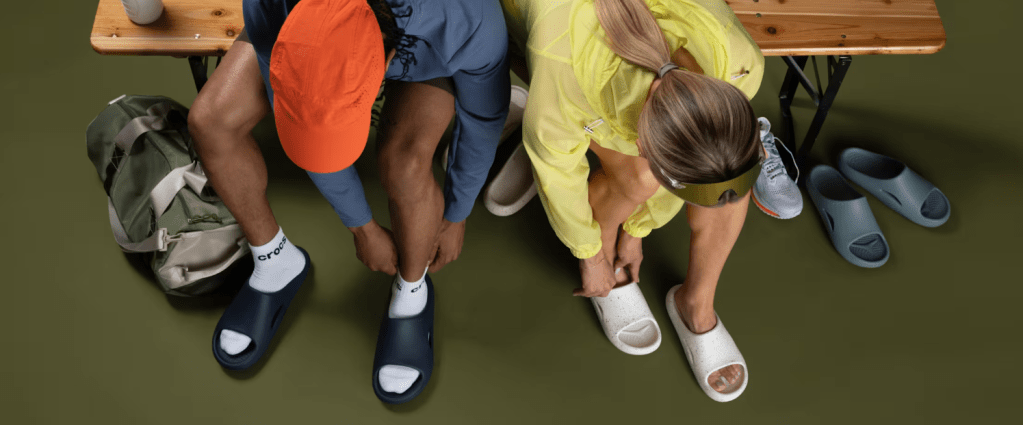
- Recovery Slides: This entire category oversells its value. The best way to reduce foot and leg fatigue after a high-mileage day is to just sit down. But brands can’t sell that for $70. Instead, they put a bunch of arch support and stability tech into a shoe you’ll barely walk around in (making it much less important). The cushioning is nice if you’re standing in line for an apres snack, but you can find that in a lot of sandals from your closet – regular Crocs, Chacos, Tevas, Birks, Sanuks. Recovery slides also make a lot of claims that sound like advanced technology, but prove to be low tech under the surface, like “improving circulation,” but it’s just that they’re looser than tightly laced trail shoes. There’s not a gadget or technology that will change the fact that the best recovery tools are rest, nutrition, and hydration. And even in the “recovery products” space (compression gear, rollers, massagers, heat) these slides come in with the weakest scientific backing.
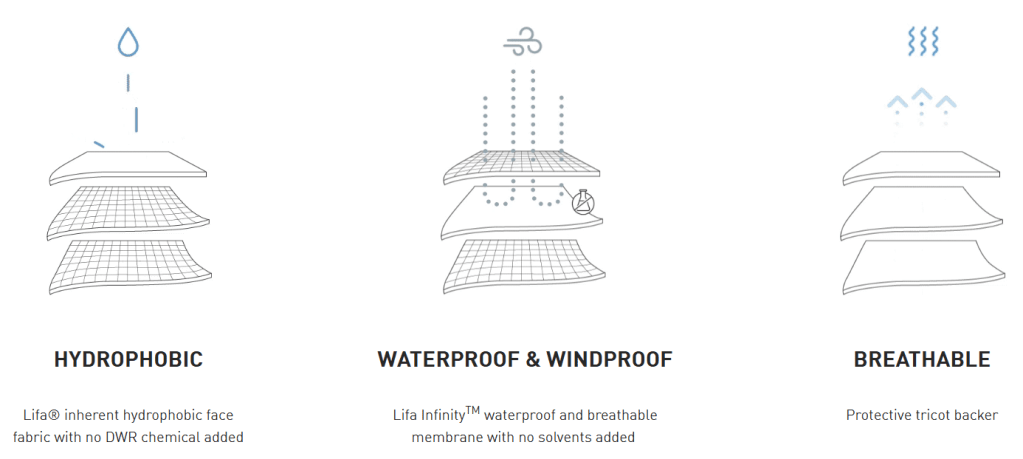
- Helly Hansen Lifa Infinity Pro – DWR Free Shells: In a time where customers were concerned about PFAS in DWR, Helly Hansen released their “Lifa Infinity Pro” shells without any DWR needed at all. The secret? Instead of the industry standard nylon or polyester, they use polypropylene. Polypropylene is inherently hydrophobic and repels water. If it does wet out, it dries faster. But if it’s so revolutionary, why are other brands opting for other fibers? Polypropylene is very susceptible to UV degradation – even with stabilizing additives (which, worth mentioning, also leech and bioaccumulate). Polypropylene is great in Helly’s synthetic and merino-blend base layers since they’re usually covered. But a $750 ski shell? Still going to be worn on bluebird days and should hopefully stand up to them. Polypropylene is also significantly cheaper (20-50% lower than polyester; 50-70% cheaper than nylon). It’s also a much weaker fiber – even before sun degradation – less abrasion resistant, and more prone to stretching and sagging. The fiber has 1 pro and a long list of cons, but Helly Hansen’s milking the former for huge profits. They use it a lot in their synthetic base layers, where it performs very well for a budget material by wicking and drying well (odor retention is its only major weakness).
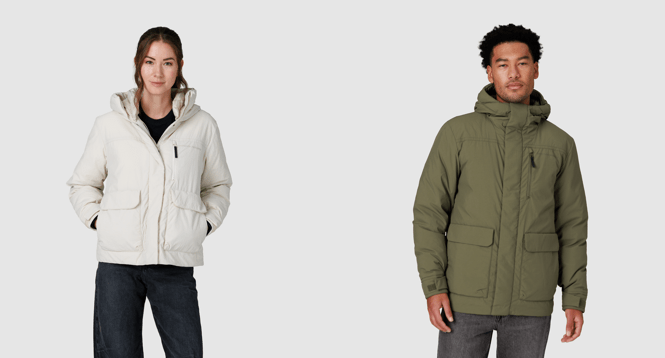
- Outdoor Research “Small Batch” Townsend Down Jackets: The term “small batch” comes from the alcohol industry for products made in limited quantities, with a focus on premium craftsmanship and artisanal skill. So I got excited when I saw OR add a “small batch” puffer that’s “from their Seattle design team.” Turns out, made in Bangladesh, just like all the other down jackets (which, presumably are also “from the Seattle design team”). Bangladesh has a solid reputation for quality, but well behind Italy, China, or Vietnam. And Bangladesh has an especially strong reputation for high volume / low-cost mass production. It’s like going to McDonald’s for farm-to-table dining. Worse, the quantities are still somewhat high. They’ve got around 600 units for both men and women when you add their site inventory and Backcountry’s – not counting some stockists who potentially have it in store (MEC, Level 9). I’d ballpark that OR’s typical minimum order quantity is ~1,500 to 2,000 units per style. Sure, it’s a smaller batch, but not by many magnitudes. There’s also not any information about why it’s limited edition. There’s no hard-to-source components or one-time brand collaboration. Brands like Supreme limited quantities to create hype, but it’s a wildly generic jacket. OR’s site is full of options with better bang for the buck. It feels like OR canceled an order halfway through production and then tried to spin that into a marketing story.
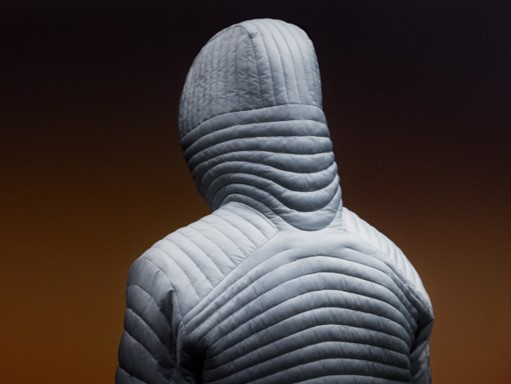
- Peak Performance Monolight Insulated Jacket: The sales pitch is that it’s designed for circularity. There’s only 1 fiber in the face fabric and components come apart easily for the recycling process. However, optimization is the easy part. The cheapest brands you can think of are already making puffers with polyester face fabric and polyfill insulation. How do these actually get recycled? I can’t put a jacket in my municipal recycling. Peak Performance isn’t having customers mail product back to go into their recycling system. And that has legal bearing – items can’t be marketed as “recyclable” unless 60% of their US customer base is able to execute and get the product recycled. As it stands, these pieces will ultimately be landfilled.
Raves:
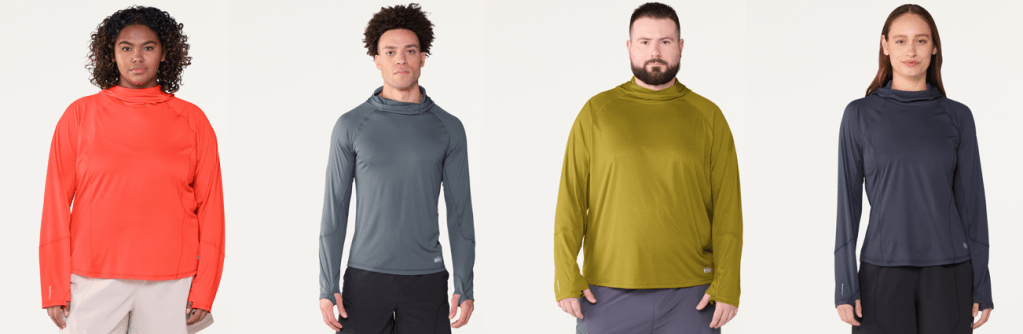
- REI Coop Flash Shade Hoodie: REI’s had a more casual Sahara Sun Hoodie in their assortment for years, and I’m so stoked they’re adding a higher performance sibling. The fabric’s 25% lighter. The hood provides more coverage. The pattern design moves with the body better (raglan sleeves, side body panels). They also manage costing well with mock flatlock seams – less bulky than the serged seams on the Sahara, but bulkier and not as strong under tension as the $100+ competitors. (I’d make sure there’s some ease in the fit). I also love that it comes in plus sizes for women and tall sizes for men.
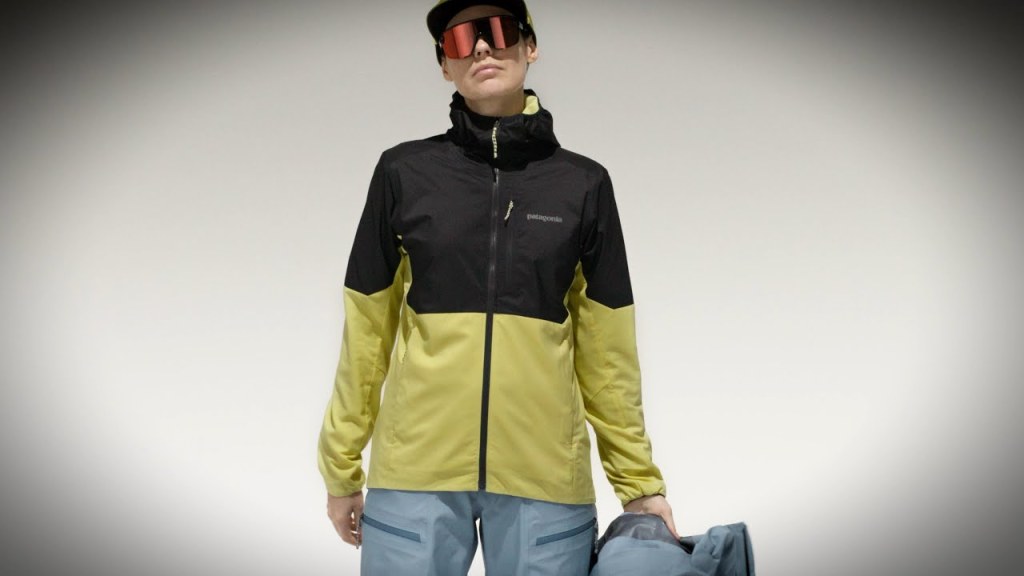
- Patagonia Nano Air Ultralight Freeride Jacket: My biggest fashion pet peeve is a shift from designing great garments to designing outfits, systems, or capsules. It’s about profitability. There are negligible ship cost increases sending 1 garment vs. 2. It doubles the ROI on customer acquisition spend. This has driven a lot of R&D efforts into true midlayers, like the Patagonia Nano Air or Arc’teryx Proton. Good mix of insulation and breathability, unbothered by weatherproofing or durability needs since they’re assumed to be worn under a shell. However, these launches have come at the expense of “second layers.” It’s very common to need a little warmth, wind protection, or water resistance without landing in full-fledged hardshell conditions. The Nano Air Ultralight Freeride really nails this “cardio in the elements” use case. Is it sold as part of a system? Unfortunately, yes. Are they handicapping their sales by pigeonholing it as a ski jacket? Absolutely, yes. This is the sort of lightweight jacket I’d bring mountain biking, Nordic skiing, or trail running. In fact, it reminds me of my old Marmot Ether DriClime jacket I raved about here, but with the bonus of a stretchy face fabric. It’s got 20gsm of strategically mapped insulation – half of the insulation in the Nano Air or Arc’teryx Atom SL. And it’s 1/3 the weight of the classic Nano Puff (or North Face Thermoball or LL Bean Primaloft Packaway or any of the other dupes). Underarm panels are not insulated and have strategic ventilation. Outer fabric is a breathable, stretchy, weather resistant ripstop. 9 ounces for a women’s hoody and highly packable. The only thing that isn’t totally perfect is the $329 price tag. When I reviewed the Ether Driclime, peers were in the $125-250 range. Even with inflation and tariffs, I’d put $300 as a reasonable ceiling for this cost-wise, especially since all of those peers were using stronger, more expensive nylon in the face fabric too.
- The North Face Ridgelite FutureFleece Wind Jacket: Speaking of “second layers,” I also like this option from TNF, especially at a $220 price point. It swaps the 20gsm polyfill insulation sandwiched between outer/liner fabrics for a hanging grid fleece lining. It’s pitched as a running layer, so boxier than the Nano-Air Ultralight Freeride and one less pocket. But the nylon face fabric has a better strength-to-weight ratio and it’s got some nice reflective hits for visibility.

- Mammut Eiger Extreme Nordwand 6.0 Collection: This is an interesting capsule to compare against the Peak Performance “recyclable” pieces. Peak designs for this hypothetical world where we can recycle clothing. Mammut designs for this very present world sustainable consumption means choosing items with long lifespans and maximizing their use. Their “thesis” for the collection was “Resourceful Performance” and the message is refreshingly simple. Use high quality materials, recycled where possible. Reinforce high wear areas. Send out every unit with a small repair kit for DIY and make strategic design choices that facilitate larger warranty repair options when needed. They also thought through repair in the field on high-consequence outings. Zipper on your puffer fails? They’ve got eyelets to thread through backup paracord. It’s got the alpinist’s outlook on redundancy built into the design. I also love that the designs are very utilitarian with little trend influence into color and fit. Those choices really drive home the message that this line is for heavy use and performance, not vibes and aesthetics.

 FemiGnarly