I usually don’t love gift “guides.” Retailers sell placements to brands as a form of marketing revenue. Most influencers use monetized links. Brands push items based on sales plans, profit margins, and available inventory. It’s not about helping you find a thoughtful gift. It’s about capturing your sale when you’re burnt out on shopping, at a total loss of what to get for your uncle and shopping last minute when you’re running out of time.
So here we are in year number 5. I write this because I like gifting, I like writing, and I like gear. There are no kickbacks or affiliate links. Just a genuine desire to make your holiday shopping easier.
What’s special about this 2025 edition? Brands are playing it safe – less innovation and less novelty. And there’s also widespread anti-corporate sentiment. So I spent a lot more time looking at small businesses and artisan creators. Independent brands (not publicly traded, no private equity, no conglomerates) will be marked with an asterisk*. There’s also a secondhand guide to “Thriftmas” available here.
Here we go!
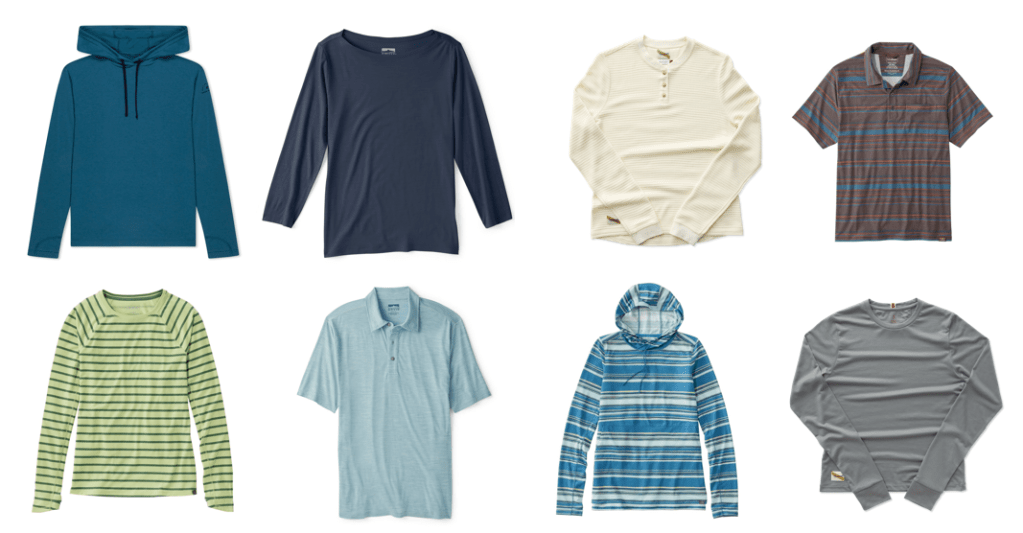
The Ultimate All Season Travel Shirt: This surprised me as a most-clicked gift last year! A great travel shirt is versatile – it visits historic churches, takes a scenic bike ride, visits museums, handles moderate trails, catches a concert, and naps on a long-haul flight back home. It’s temperature-regulating; cool in warm weather but layering nicely in the cold. Styling is subtle and works across seasons and geography. And ideally it has sun protection, odor resistance, and washes easily in the hotel sink.
- Wool is a fan favorite for travel pros. Smartwool’s Classic All-Season line is the OG, but I’m also excited about Orvis’s* new Outbound Merino line that looks more casual and less “base layer.” And go for Ridge Merino’s* Solstice Hoody for an option with UPF, or for cooler climates, look at Tracksmith* (I like the Fells waffle henley or the Harrier).
- Semi-synthetics are also a great option. I love L.L. Bean’s* Everyday SunSmart line as a polyester/lyocell blend. It’s stretchy and wicks like a tech shirt but has a softer hand-feel and more casual look thanks to the lyocell.
- For men, look at Howler Brothers*, since they’re so good at disguising technical pieces with more casual design.
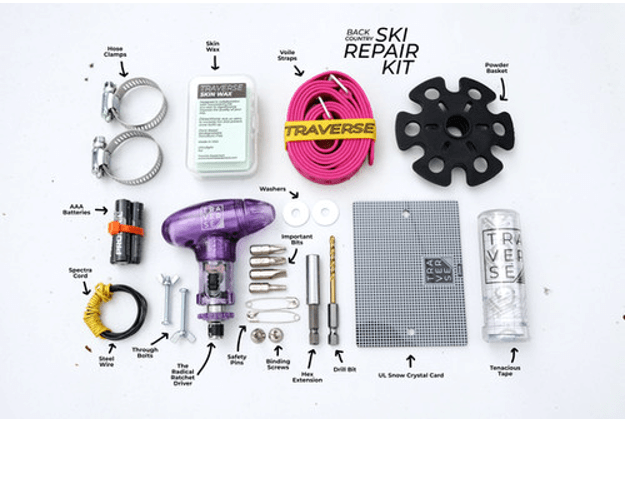
Backcountry Repair Kit: A few years ago, my partner went off-script from my wish list and gave me the Traverse Equipment* Backcountry Repair Kit. It’s saved the day on several trips. Traverse’s one-stop-shop makes things simple, but you could also build your own around their Rachet Driver, which comes with a handful of bits that have solved loose bolts on boots or G3 crampon adapters. But part of the reason I support paying full price is that Traverse explains the use-cases behind their components. The product page doubles as a “how-to” guide for serious gear malfunctions.
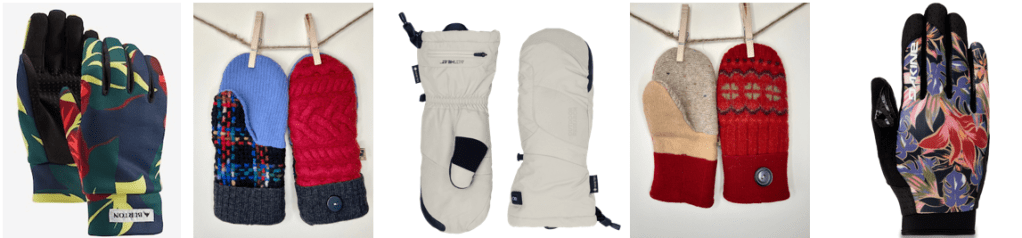
Gloves: Every year, I say “no hats.” They don’t wear out. People have plenty. They’re by your face where color has a big impact. One hat can usually work across many activities. But gloves? So much friction. Fabric breaks down. Insulation breaks down. And your ski mitt vs. touring glove vs. bike glove all require very different features.
- For the last 3 years, I’ve raved about the Burton* Touch-n-Go liners since they’re breathable like most liners, but more wind / water / abrasion resistant than your typical knit gloves. I can’t believe mine just hit 4 years – especially since I keep my nails long. I’m just losing a bit of “decorative cover” fabric. Pro tip – look for them on eBay or Poshmark since there are some much better colors and patterns compared to this year.
- I finally tried a pair of heated mitts last season, on a ski day that topped out around 11 degrees. They were an older iteration of the Outdoor Research Prevail line. Gamechanger! And for a stocking-stuffer budget, you can also get a small handwarmer and tuck it into your inner wrist cuffs on your base layer. Warms the blood en route to your hands and doesn’t have the same wire durability considerations of a glove or mitt.
- My friend put me onto Peapack Mitten Company*, which upcycles wool sweaters and blankets into mittens. Every pair is a custom color combination. They’re very toasty for cold-weather walks or your “breaks and emergencies” mittens for cold weather outings.
- For mountain biking, Wild Rye* has the cutest prints and colors for both nice weather and cold weather biking gloves. Their cold weather Gnarnia glove is designed with multi-sport versatility. Dakine also makes cute options for stocking-stuffer price points if you’re not looking for higher quality.
- Gardeners chew through garden gloves. Digz are the standard “cute” option at your local hardware store, but I’m hoping to get a pair from a nicer and family-owned business named Celtic Farm* this year.
Art: Most years when I make this guide, I’m looking for more “gear” than “mountain-themed” gifts. But 2025 is different. One, as I mentioned, brands are making less interesting things. Two, public lands and conservation are losing funding. It’s studied and proven that art drives conservation – it had a huge impact on the “environmental awakening” of the 1960s and 70s. If you know the recipient’s décor tastes, grab a cute print. If not, notecards are cute, or you can craft magnets with stickers and magnetic sheets. It’s a great way to revisit special trips from the year. Some also offer lessons if you’d rather give a gift of experience or create your own (one of my favorite gifts is a watercolor painting of the fam and me out for a ski). And pro tip – order early. Your local artist doesn’t have a corporate supply chain and operations team driving next-day delivery. And lastly, shoutout to readers who contributed with their favorite mountain artists:
- I love Claire Giordano’s* watercolor style – realistic and moody. She was also the first to teach me about the concept of “environmental artistry.” Her permit paintings are one of my favorite series.
- Skyline Printworks* hand-carved block prints from Bellingham, WA.
- Ariel Lee*, a painter, illustrator designer capturing Southern California.
- Contemporary folk artist from Crested Butte, John Fellows*.
- Marilyn Ruseckas*, a Vermont painter and pastel artist specializing in warm and playful landscapes.
- Jessa Gilbert* who splits her time as a ski & snowboard guide out of Squamish, BC.
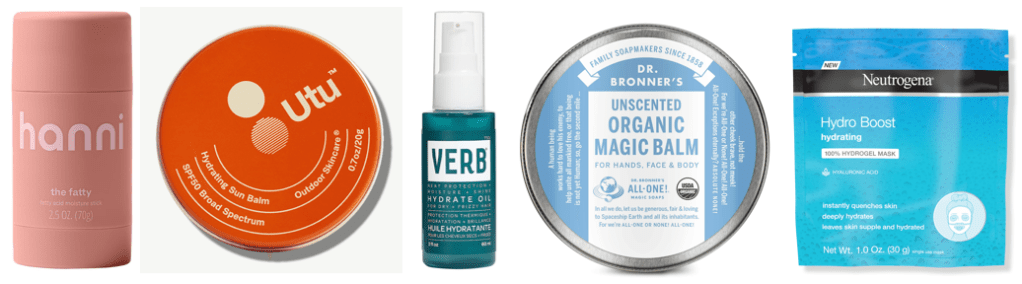
Winter Skincare & Haircare: Another perennial favorite from the guide. I wrote a full piece on the topic last winter but to summarize, winter weather is brutal for our skin and hair. Cold, windy air is very dry and strips moisture out of our hair and skin. Helmets add friction and breakage to our hair. Here are a few items to toss in a stocking or bundle together for a gift basket:
- An occlusive moisturizing balm helps the skin retain moisture, like a chapstick for your face. Go premium with a Hanni* Moisture Stick, mid-range with Dr. Bronner’s*, or budget with Trader Joe’s (only $3.99 in store!) or Aquaphor.
- A balm sunscreen offers similar skin protection with SPF. Credo Beauty* Sun Balm would be a premium option while Badger Balm* Mineral Sunscreen is more budget friendly.
- A recovery sheet mask is so nice after a long ski day. I’m loyal to the Neutrogena Hydro Boost one. My partner likes them. My mom likes them. They’re especially great for a laid back, lazy Christmas morning. And they hydrate incredibly well. I also like First Aid Beauty’s Ultra Repair Mask that’s quicker, less messy, and the emollient-rich formula leaves skin super soft.
- A vial of hair oil keeps hair healthy. Cold air lifts the hair cuticle, making it more susceptible to breakage. Hair oils keep the cuticle down and reduces friction and breakage. BondiBoost’s a high end option, Verb for mid-range, and Aussie as a basic stocking stuffer.
Uphill-Friendly Insulation: Uphill layers need to do a lot – insulate or cool as needed, breathe, wick, dry quickly, stretch, offer a little wind and water resistance, hold up to friction from pack straps. Two “formulas” seem to do it well:
- I got a hand-me-down, sweatshirt-weight wool layer that quickly became a favorite. It’s an older Icebreaker similar to the 260 Quantum or 260 Zone Knit (GT 260 if you’re shopping used). I wear it as a heavy base layer for ski touring or a ditchable layer when the gym’s cold. I’d also consider the Woolly* Merino Fleece, Ridge Merino* Hyde, or Ibex Mammoth. Or for a merino-synthetic blend, consider the Kuhl* Dynawool Scuba, or Ridge Merino* Cloudripper.
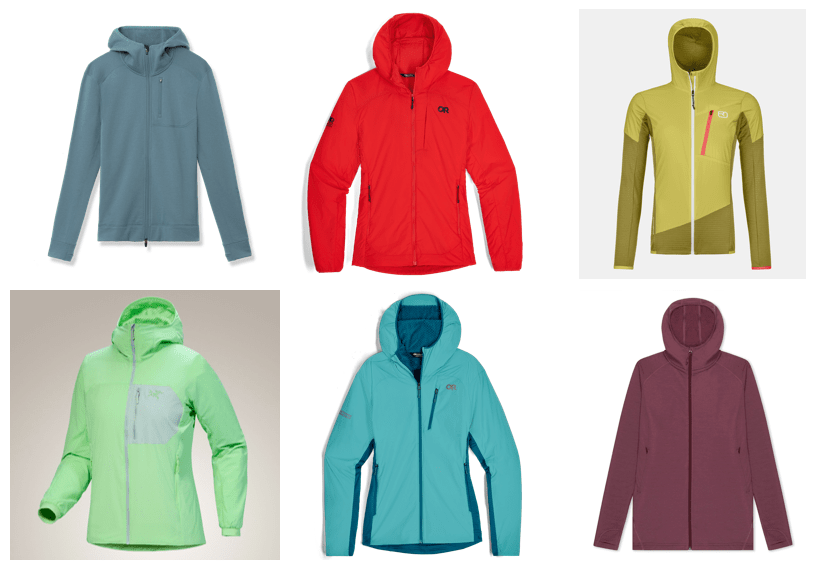
- A “body mapped” synthetic layer is a great choice if you’re going warmer. My partner and I have gotten 8-14 years out of the Marmot Ether Driclime and OR Ascendent (RIP to two phenomenal lines). If I were replacing it today, I’d look at the Ortovox Ladiz (on sale!) that uses fleece in the lower arms, underarms, and back for max breathability and a wind-resistant woven through the front body. The Arc’teryx Proton SL is a similar construction to the Ascendant with a wind resistant woven outer and fleece lining. Arc’teryx also makes the Norvan Hoody with 25gsm of insulation only in the front, sides, and sleeves. Similar to the Norvan, Outdoor Research makes the Deviator Hoodie, or you can go with the warmest option I’d consider for uphilling with 45gsm of insulation in their Vesper Hoodie.
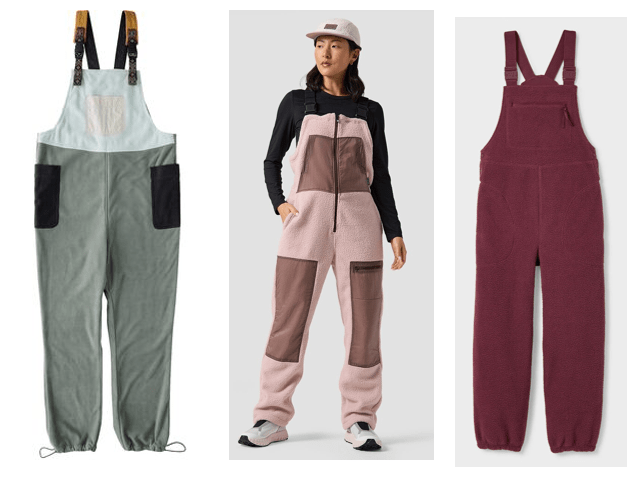
Fleece Overalls: These were the top-clicked gift from last season, so I was really surprised that brands exited the category or toned down the styling. You can still find the Backcountry Wander Overalls, Kavu* Pocatello, and Free People Salopettes in solid and print. And Duluth Trading Company launched their own new this year.
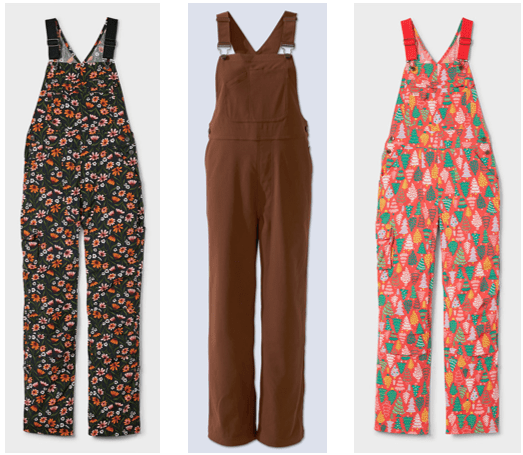
Burly Overalls: If you’re shopping for someone who gardens or does a lot of trail maintenance work, consider a pair of workwear overalls. They prevent “whale tail” sightings or plumber butt. They’ve got a lot of pockets. They keep you cleaner and more protected.
- Duluth Trading Company’s Heirloom Overalls dominate the category thanks to cute colors and patterns. There’s a crotch gusset for mobility, knee pad inserts, and tons of pockets. And they’re a lightweight stretch nylon ripstop that doesn’t get soaked and heavy with sweat. As a bonus, they come in a range of inseams and extended sizing. Insulated versions too!
- The Wild Rye* Emmett Overalls offer similar features in a more traditional look.
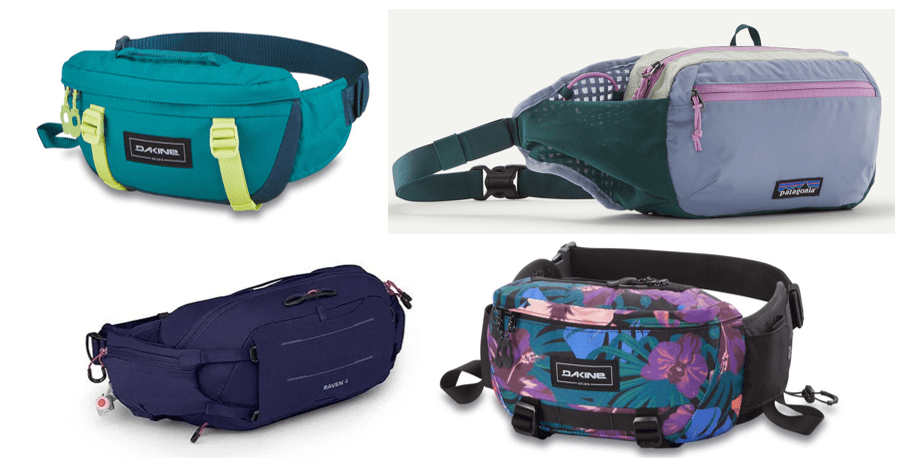
Hydrating Hip Pack: I received one of these as a gift before I ever touched a mountain bike, so I was a little confused. (Sorry Joel & Erica!) And I still don’t use it for biking. I found it’s perfect for short outings – a few miles in cell service where I want water and a few essentials (gloves, sunnies, dog bags, headlamp), but don’t want to deal with a full pack. A light to medium weight jacket even fits in the exterior carry loops. It’s especially great that it packs down small in a carry-on. I use mine for a little after-work outings when I was at my old office in Vermont or after trade shows in Vegas. They’re also really great for Nordic skiing, so I’ve come full circle gifting them to family members who enjoy cross-country.
- My gifted pack was a Dakine Hot Laps. They use a lot of fun colors and it’s always easy to find them on sale. Mine’s a 1L, but I think I’d like the extra space of the 2L (especially with 2 bottle sleeves).
- The Osprey Raven 4 swaps bottle sleeves for a hydration bladder.
- Patagonia’s* Terravia 4L is even more travel specific with a lighter weight and the ability to compress into an interior pocket.
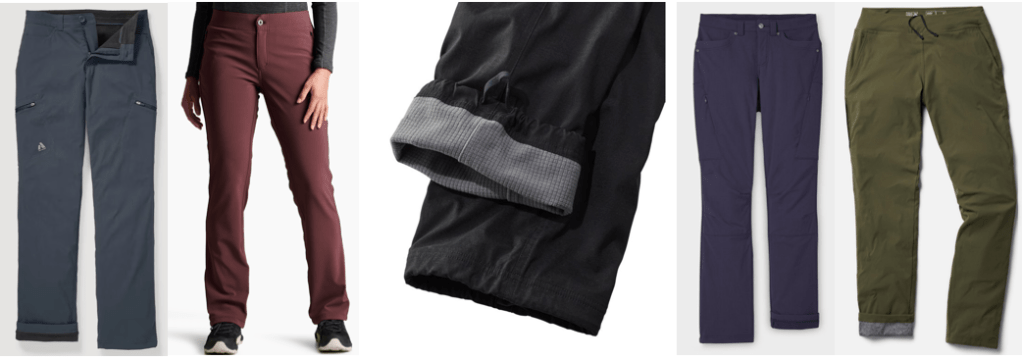
Insulated Hiking Pants: This category seems to get lost between snow pants, fleece lounge pants, and layering under all-season hikers. But they’re underrated for cold folks or cold climates. Easier to move in and launder compared to ski pants. Warmer than layering under all-season pants. More weather resistant than a pair of simple polar fleece joggers. I nabbed mine cheap on Poshmark for late fall and winter yard work. They were also perfect for winter dog walks, low intensity hiking, and cold weather camping. That ski trip last winter that topped out at 11 degrees? I wore these around town and on daily walks and got to make the most of the trip despite the cold snap.
- Mine are an older pair of Eddie Bauer pants similar to the Guide Pro Lined or Polar Fleece Lined pants (former’s slightly more techy, but otherwise very similar). Both are easy to find very gently used for <$35 too.
- For an upgrade in patterning that moves best with the body, look at the Kuhl* Frost Softhsell or Duluth Trading Company Flexpedition Lined Pants.
- And for elastic waistbands, consider the Mountain Hardwear Dynama Lined Pants or L.L. Bean* Lined Vista Camp Pants.
 FemiGnarly
